Man O’ War Bay – Waiheke Island’s Coastal Escape
Modern-Day Man O’ War Bay
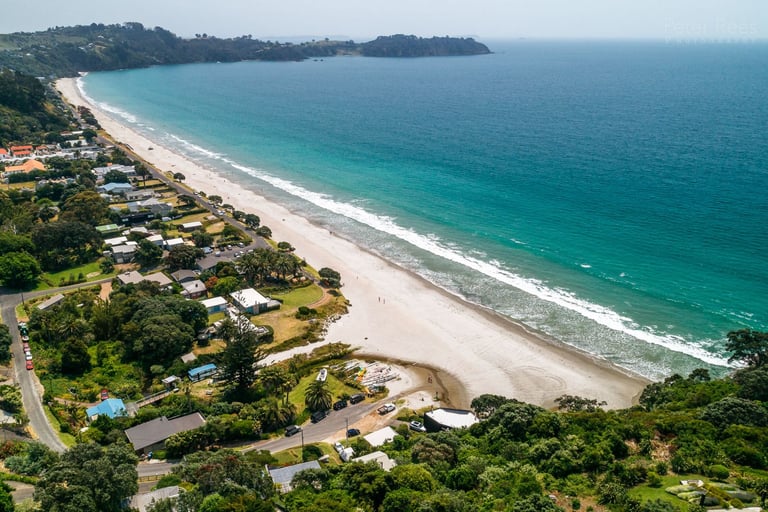
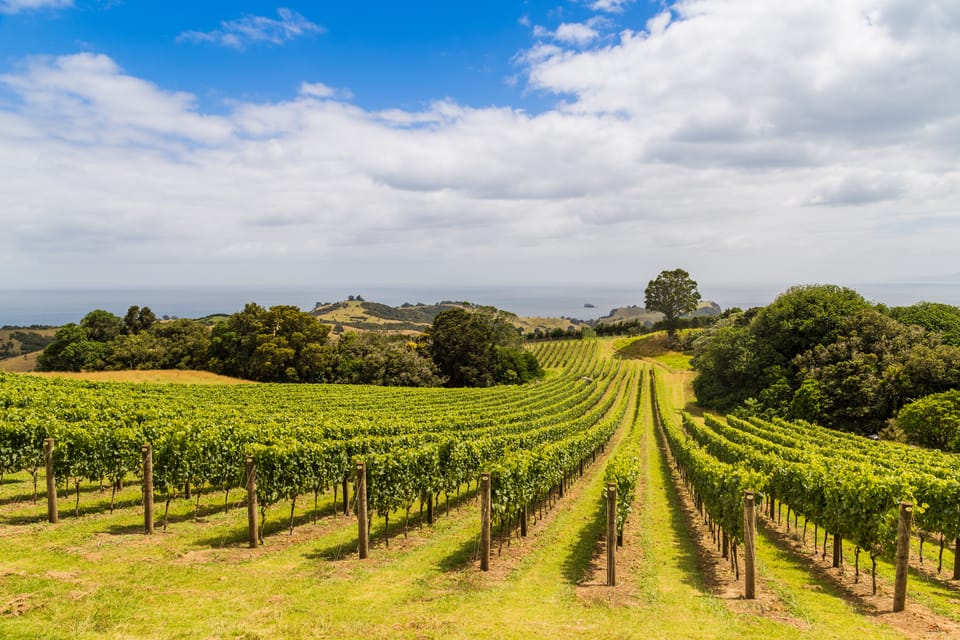
Man O’ War Bay on Waiheke Island is one of the island’s most spectacular destinations. With its golden beach, world-famous winery, and breathtaking coastal views, this bay is a must-visit for anyone exploring Waiheke. You can arrive by e-bike, car, or guided tour. No matter how you travel, this eastern gem combines natural beauty with award-winning food and wine experiences.
Why Visit Man O’ War Bay?
Visitors come for the turquoise waters, peaceful atmosphere, and the iconic Man O’ War Vineyard. Here you can taste celebrated wines while soaking in the coastal scenery. Families love the bay for its safe swimming, while others enjoy relaxing picnics on the beach. Compared with the busier beaches near the ferry terminals, Man O’ War Bay offers seclusion and tranquility.
How to Get There
Located on Waiheke’s eastern side, Man O’ War Bay is best reached by car, e-bike, or guided tour. The scenic journey passes vineyards, rolling hills, and native bush, making the trip as memorable as the destination. If cycling, allow 1.5–2 hours each way from Matiatia Ferry Terminal.
Things to Do
- Wine tasting at Man O’ War Vineyard
- Swimming and sunbathing on the beach
- Exploring nearby walking and cycling trails
- Relaxing with a picnic in the bay
Practical Info
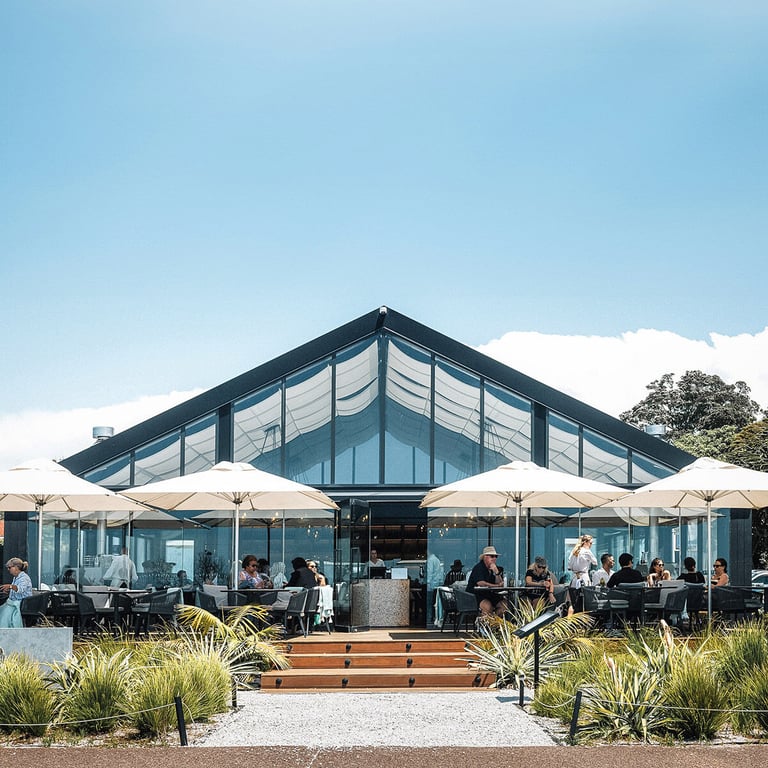
- Facilities: Parking, toilets, winery restaurant
- Best time to visit: Summer for swimming, autumn for vineyard colours
- Tip: Pack food and water, as facilities are limited outside the vineyard
Key attractions and activities in the area include:
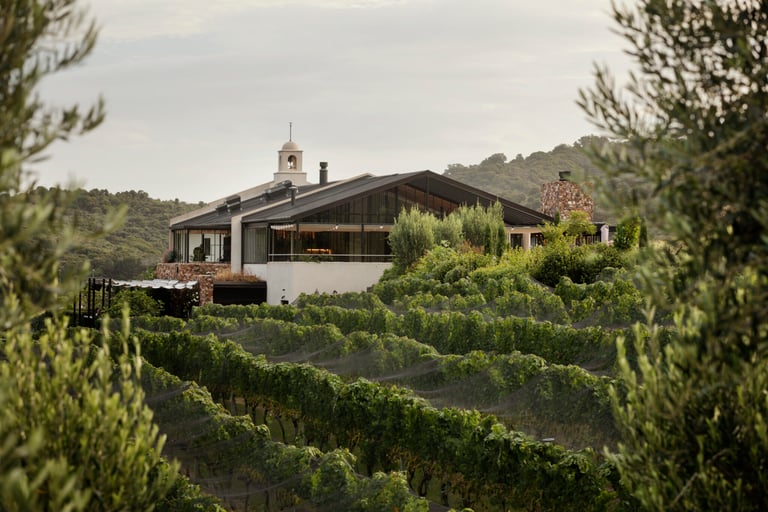
- Man O’ War Vineyards Tasting Room: Visitors can sample wines from the vineyard while enjoying panoramic views of the bay.
- Boating and Swimming: The sheltered waters of the bay make it a popular spot for boating, swimming, and picnicking.
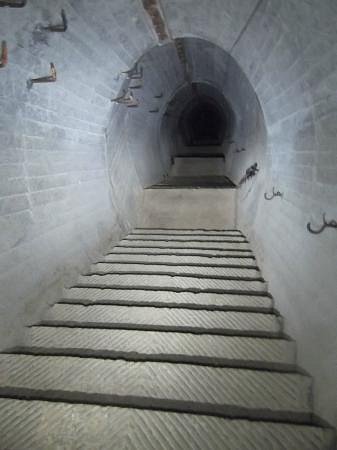
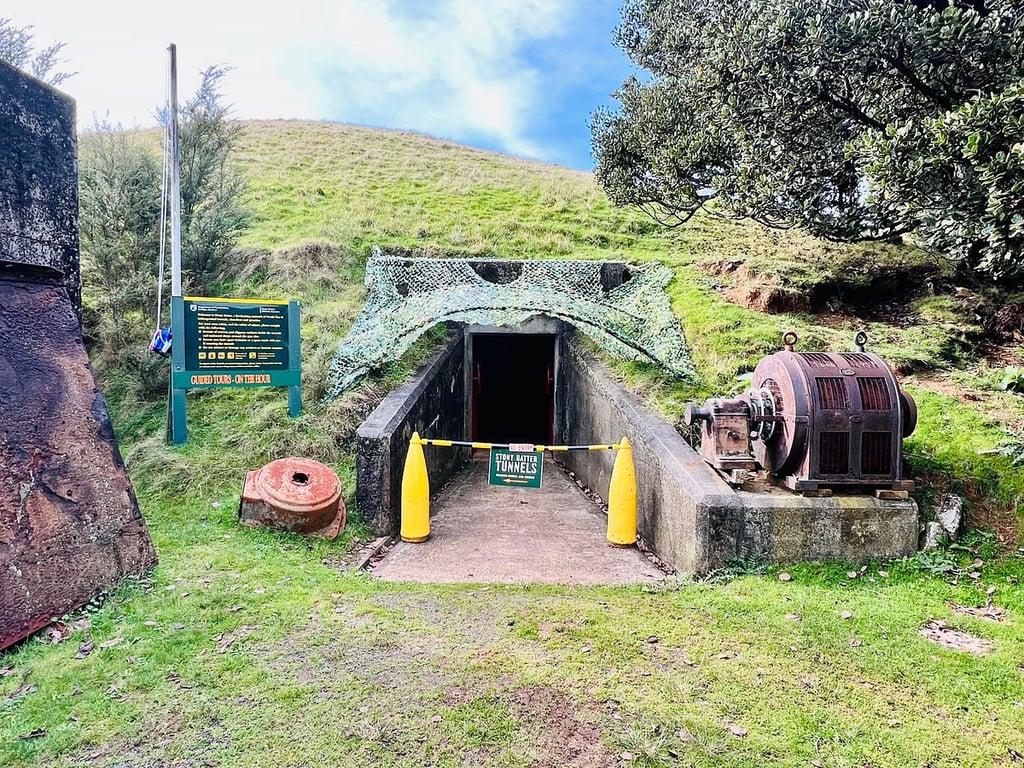
- Stony batter: Fort Stony Batter is a WWII Coastal Defence Fortress located at the Eastern end of Waiheke Island. The location was chosen for its strategic advantage of uninterrupted view of the Hauraki Gulf and shipping approach to Auckland city. Commissioned in 1942 under absolute military secrecy, the complex comprises 1.2km’s of subterranean passages, chambers and stairwells all tunnelled by hand. The fortress was designed to take direct enemy bombardment and is in a very high state of preservation. This is an Architectural, Engineering and Construction marvel.
History of Man O’ War Bay
Captain James Cook’s Influence
The name “Man O’ War Bay” dates back to 1769. Captain James Cook sailed past the island and noticed the tall, straight kauri trees that grew here. These trees were ideal for ship masts and spars, especially for the powerful British naval “Man O’ War” warships. Although Cook did not land, his naming left a lasting mark.
Early Settlement and Farming
By the 19th century, European settlers had cleared much of the eastern land for farming. Sheep and cattle grazed across the hills, while the sheltered bay became a handy spot for boats to anchor and transport goods. The rugged terrain kept the area rural and isolated for decades.
Man O’ War Station
In the 20th century, Man O’ War Station grew into one of Waiheke’s largest farms. Owned by the Spencer family for generations, it preserved the rural character of the east even as the western end of Waiheke developed for tourism and housing.
The Birth of Man O’ War Vineyards
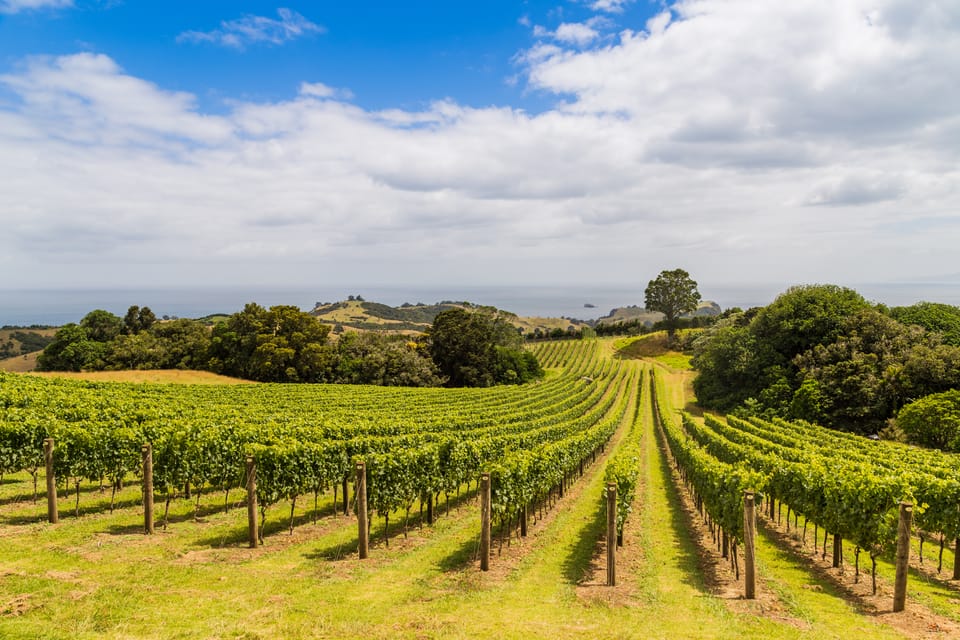
During the 1980s, Waiheke gained fame as a premium wine region. The Spencer family recognised the land’s potential and began planting vines. Volcanic soils, limestone, and coastal breezes created perfect conditions for varieties like Syrah, Chardonnay, and Bordeaux blends. Today, Man O’ War Vineyards covers more than 150 acres and is one of Waiheke’s most celebrated wineries. Visitors enjoy world-class tastings at the bay’s waterfront cellar door.
Stony Batter: A Hidden WWII Relic
Just a short drive from Man O’ War Bay is Stony Batter, one of Waiheke Island’s most intriguing and historically significant sites. The New Zealand military built Stony Batter at the easternmost tip of Waiheke Island during World War II to defend Auckland and the Hauraki Gulf from potential enemy naval attacks.
Historical Background
New Zealand decided to build Stony Batter in the early 1940s, when Japanese naval activity in the Pacific posed a serious threat. Military planners chose Waiheke Island for its strategic position at the entrance to the Hauraki Gulf, making it an ideal site for a heavy artillery battery to protect Auckland, the country’s largest city.
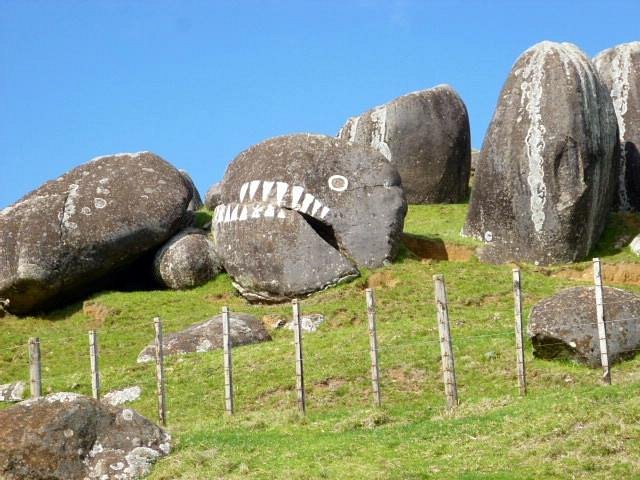
Stony Batter got its name from the natural landscape of large, round boulders scattered across the area, the result of ancient volcanic activity. The site was fortified with underground tunnels, gun emplacements, and bunkers, some of which remain intact today.
Construction and Military Use
Construction of Stony Batter began in 1942, involving a large workforce of military personnel, engineers, and laborers. The site included three huge 9.2-inch caliber guns, with a range of about 30 kilometers, making it capable of reaching ships far out at sea.
Engineers connected the gun emplacements with an extensive network of underground tunnels that housed ammunition stores, soldier living quarters, and communication equipment. Despite the heavy fortifications and the enormous cost and effort of construction, the Stony Batter guns never fired in combat. By the time crews completed the installation, the Japanese threat to New Zealand had diminished, and the military decommissioned Stony Batter after the war.
Nearby Attraction: Stony Batter
A Hidden WWII Relic
Just a short drive from Man O’ War Bay is Stony Batter, a World War II coastal defence site. Built in the 1940s to protect Auckland, it includes underground tunnels, gun emplacements, and bunkers. Although the guns never fired in combat, the site still showcases an impressive military and engineering achievement.
Exploring Stony Batter Today
Visitors can walk through 1.2 kilometres of hand-dug tunnels and chambers. Interpretive signs explain the history and life of the soldiers stationed here. The dramatic boulder-strewn landscape and sweeping views of the Hauraki Gulf make Stony Batter a favourite for photographers and history lovers alike.
Today, Stony Batter is a historical reserve and a popular destination for those interested in military history and unique landscapes. Visitors can explore the network of underground tunnels and bunkers, many of which are open to the public and give a fascinating glimpse into the island’s role during WWII.
The self-guided tour takes you through the remains of the gun emplacements and into the dark, narrow tunnels that connect them. Interpretive signs provide insights into the site’s history and the soldiers who were stationed there during the war.
In addition to its military significance, Stony Batter is also known for its unusual geological formations. The large, rounded boulders that dot the landscape create a dramatic and otherworldly environment, making it a favorite spot for photographers and nature enthusiasts. The views from Stony Batter are stunning, with panoramic vistas over the Hauraki Gulf, Great Barrier Island, and the Coromandel Peninsula.