Onetangi Beach Waiheke
Onetangi Beach: A Modern Paradise
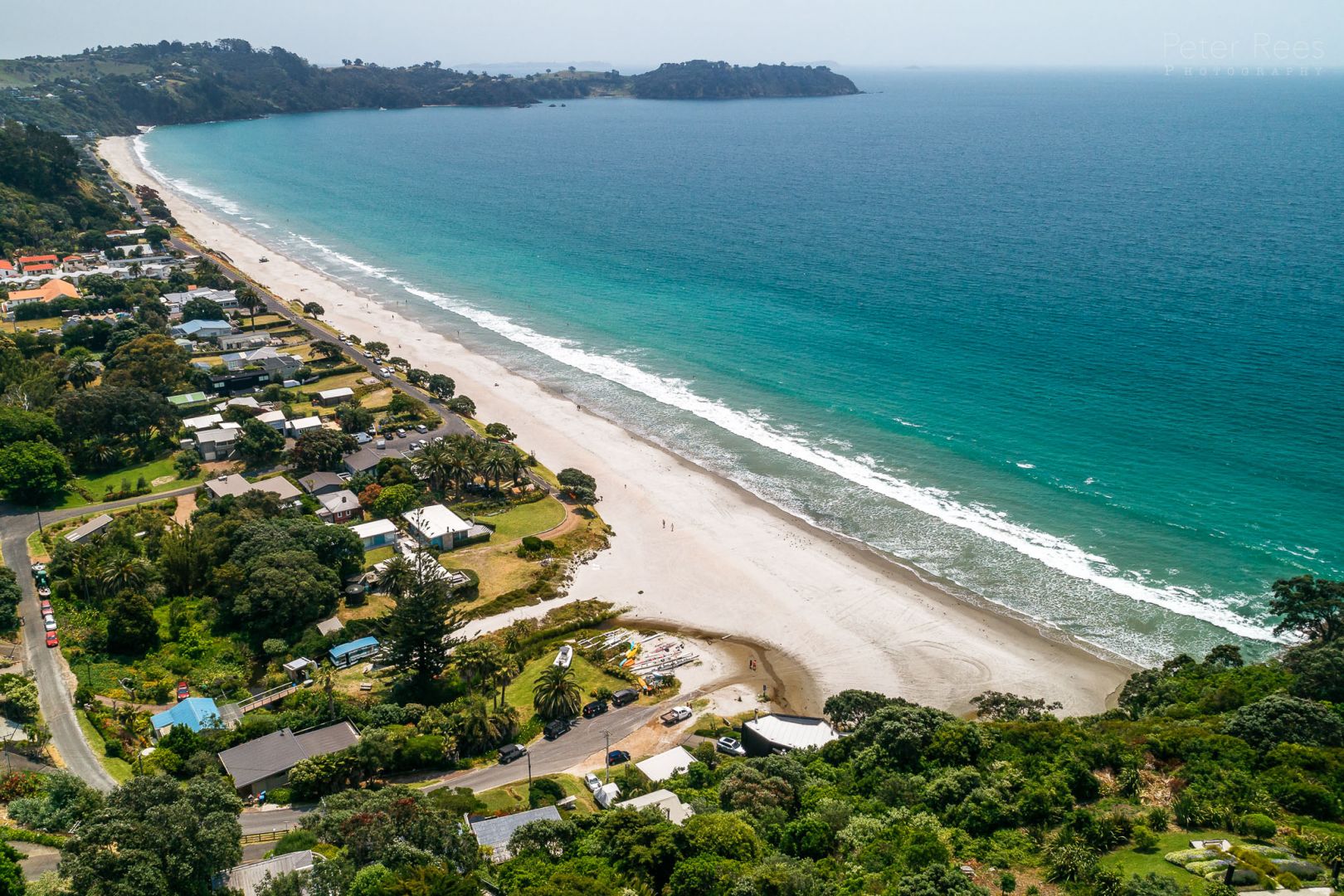
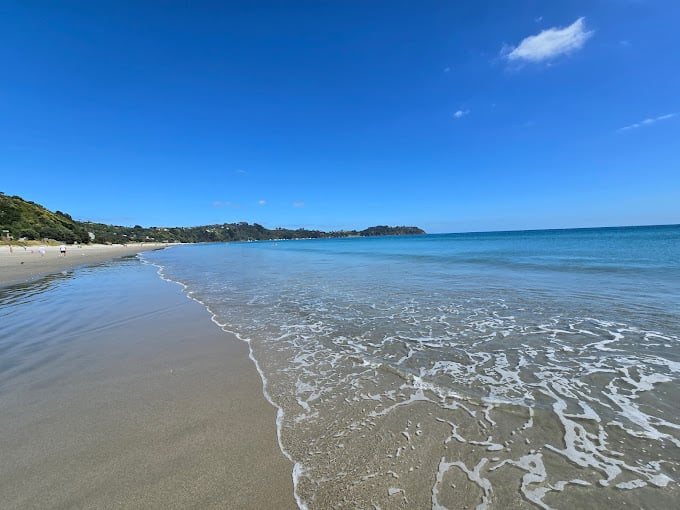
Onetangi Beach Waiheke is the island’s longest stretch of golden sand, ideal for swimming, long walks, family picnics and sunset dining. Easy to reach by e-bike, bus or car, it’s a must-see stop on any Waiheke itinerary.
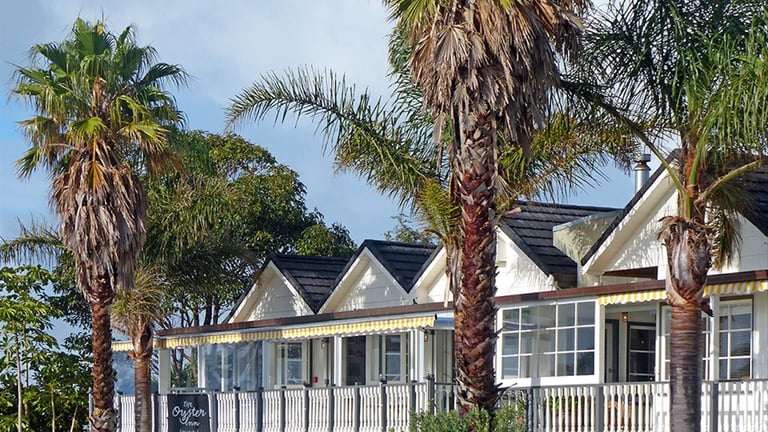
Along the beachfront, visitors will find a number of cafes, restaurants, and bars, creating a lively yet relaxed atmosphere. Whether enjoying a glass of local wine with a sea view or taking a leisurely stroll along the shore, Onetangi Beach perfectly encapsulates the laid-back charm of Waiheke Island.
When you arrive at Onetangi Beach, there’s plenty to do to make the most of your time in this beautiful and tranquil part of Waiheke Island. Here are some ideas:
Why you’ll love it
- Safe swimming & space to spread out: gentle gradient and plenty of room along the wide bay.
- Beachfront cafés & restaurants: grab coffee, brunch or a sunset drink steps from the sand.
- Epic walks & views: stroll the full length of the beach or explore nearby coastal paths.
How to get to Onetangi Beach
- E-bike: the most fun, flexible way to explore. Our premium e-bikes make hills easy and let you stop whenever you spot a view.
- Bus: frequent services run between Matiatia Ferry Terminal, Oneroa and Onetangi.
- Car/taxi: limited parking by the beachfront—arrive earlier on busy days.
Things to do at Onetangi
- Swim, sunbathe and beach-walk the 1.8km shoreline.
- Book a long lunch with sea views.
- Catch golden-hour photography and evening colours.
- Add nearby vineyards, sculptures and lookouts to round out your day.
Tips for your visit
- Summer UV is strong—pack sunscreen, hats and water.
- Respect the ocean—conditions can change with wind and tide.
- Bins can fill fast; please carry out what you bring in.
Plan it with the Waiheke Guide app
See live route maps, nearby highlights and tap-to-book listings in multiple languages. Download the Waiheke Guide app to navigate from ferry to beach with ease.
Ride there with eRide Waiheke
Hire a quality e-bike for the day and link Onetangi Beach with vineyards, art spots and bays—all without parking stress.
1. Relax on the Beach
Onetangi Beach is famous for its long stretch of golden sand (almost 2 kilometers), so the simplest pleasure is to just relax. Spread out a towel, soak in the sun, and enjoy the peaceful atmosphere. The waters are usually calm, making it a great spot for swimming or simply wading along the shore.
2. Go for a Swim
The clear, calm waters at Onetangi are perfect for a swim, especially during the warmer months. The beach is ideal for families, as the water is generally safe for children, with gentle waves and a gradual incline.
3. Beachside Dining
Several fantastic cafes and restaurants are right along the beachfront, perfect for a casual meal with a view of the ocean:
- Charlie Farley’s: A beachside cafe offering casual dining with great seafood and burgers. Perfect for lunch after a morning at the beach.
- Three Seven Two: A more upscale option, serving fresh, seasonal dishes with an emphasis on locally sourced produce and Waiheke wines.
- Ki Maha: Speaks of pleasure, of contentment in a special place perfectly balanced between land and sea, restaurant menu combines sustainably harvested seafood and ethically farmed meats, with locally sourced seasonal fruit and vegetables. Our dishes express the very essence of distinctly Aotearoa cuisine.
Enjoy a meal or a refreshing drink with a view of the ocean while watching the beach activity.
4. Take a Walk
Onetangi Beach is one of the longest on the island, so it’s perfect for a leisurely walk. You can stroll the length of the beach, feeling the sand between your toes and enjoying the views of the surrounding hills, ocean, and even the Coromandel Peninsula on clear days.
5. Water Sports and Activities
If you’re feeling adventurous, you can rent equipment for water sports:
- Stand-up paddleboarding (SUP): A great way to explore the coastline and enjoy a workout on the water.
- Kayaking: You can paddle around the bay, or head further afield to explore the nearby cliffs and coves.
- Fishing: Onetangi is a good spot to cast a line, especially early in the morning or around sunset.
6. Visit Local Vineyards
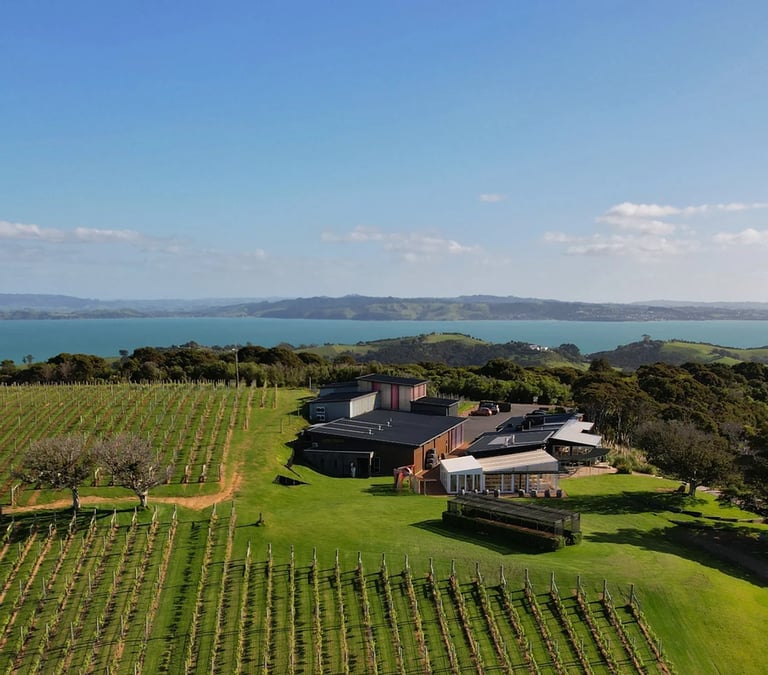
Onetangi is home to some of Waiheke’s most renowned vineyards, many of which are just a short distance from the beach. You can easily spend an afternoon wine tasting or dining in the vineyards:
- Stonyridge Vineyard: Famous for its Bordeaux-style wines, particularly its Cabernet blends.
- Obsidian Vineyard: Known for producing exceptional Syrah and other reds.
- Tantalus Estate: Offering wine tasting, a restaurant, and a brewery in a beautiful setting.
7. Sunset Views
If you stay into the evening, Onetangi Beach is a fantastic spot to watch the sunset. The western-facing bay offers stunning sunset views, with the golden light reflecting off the water and sand, making for some magical moments.
8. Picnic on the Beach
You can pack a picnic and enjoy it on the beach. The long, wide beach offers plenty of room for finding a quiet spot to sit, eat, and enjoy the ocean breeze. There are some shaded areas by the dunes as well, providing a good spot to escape the sun.
9. Catch Some Surf (Occasionally)
Onetangi can sometimes get small waves suitable for bodyboarding or beginner surfers when conditions are right. Check with locals or surf forecasts to see if it’s a good day for riding the waves.
The History of Onetangi Beach Waiheke: From Battles to Vineyards
The Onetangi region, located on the northern coast of Waiheke Island, is known today for its beautiful stretch of beach, vineyards, and tranquil lifestyle. But beneath its calm exterior lies a rich history that dates back centuries, from Māori battles to European settlement, and ultimately, the development of one of Waiheke’s most beloved areas.
Early Māori Settlement and The Battle of Onetangi
Onetangi’s name, in Māori, means “Weeping Sands” (Oneroa-tangi), which is believed to refer to a significant battle fought there. Māori have lived on Waiheke for over a thousand years, and Onetangi Bay served as a strategic location for various iwi (tribes). Its long, sheltered bay provided an ideal landing spot for waka (canoes) and access to nearby fishing grounds and resources.
The battle that gives Onetangi its name took place in the 1820s during a time of great upheaval known as the Musket Wars. During this period, iwi from different parts of Aotearoa fought for dominance, often using newly acquired muskets. Ngāti Paoa, the dominant iwi on Waiheke at the time, defended the island from invading forces. The battle was reportedly fierce, and the sands of Onetangi were said to have “wept” from the number of lives lost. This event left a lasting mark on the region’s history and identity.
European Settlement and Early Development
European settlers began arriving on Waiheke Island in the 19th century. Onetangi’s fertile land and accessible coastline made it a desirable location for early farming and timber industries. The region became known for its agriculture, particularly sheep and cattle farming, as settlers cleared the land for pastoral use.
In the early 20th century, Onetangi began to emerge as a holiday destination for Aucklanders, who sought the island’s serene beaches and mild climate. The wide, sandy bay of Onetangi Beach, which stretches for nearly 2 kilometers, became a popular spot for weekend getaways and summer retreats. Simple beach cottages began to dot the coastline, many of which remain today, providing a glimpse of Waiheke’s laid-back past.
History of the Onetangi Wharf
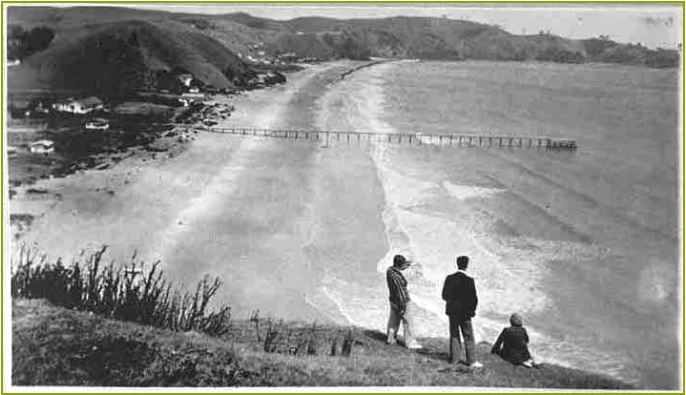
The wharf was built in 1924 and became a crucial part of life in Onetangi. At that time, there were no roads connecting Onetangi to other parts of Waiheke Island, so the sea was the main route for transporting supplies and people. The wharf allowed boats to bring goods such as food, building materials, and other essentials to the growing community. It also made it easier for visitors from Auckland to reach Onetangi, which was becoming known for its beautiful beach and was slowly evolving into a holiday destination.
During its operational years, the Onetangi Wharf saw many steamers and ferries docking at the bay, unloading passengers for weekends away or bringing farmers and their products to and from the island. The wharf also played a role in transporting wine from the early vineyards that began cropping up in the area.
Decline and Demolition
As road infrastructure on Waiheke improved, the need for the Onetangi Wharf diminished. By the 1940s, roads had connected Onetangi to other parts of the island, and vehicular transport took over as the main way of moving goods and people. The wharf fell into disrepair and was eventually demolished in the late 1940s.
Though the Onetangi Wharf is long gone, its memory remains a part of the region’s history, symbolizing the early days of settlement when the sea was a lifeline for Waiheke Island’s coastal communities.
Legacy
Today, there are no remnants of the Onetangi Wharf, but the area where it once stood remains a part of the local lore. Onetangi Beach has transformed into a peaceful retreat with cafes, vineyards, and scenic views, but its past as a bustling seaside hub adds depth to its story. The legacy of the wharf still lingers in the memories of long-time residents and local history.
Would you like to explore any specific aspect of the wharf’s history or its significance to the island further?
Onetangi Beach Waiheke: The Racing Days: Horse Races
One of the most colorful aspects of Onetangi’s history is its association with horse racing on the beach. From the 1920s through the mid-20th century, Onetangi Beach became the site of annual horse races, a tradition that attracted crowds from all over the island and beyond. The races were often informal, with local farmers and beachgoers bringing their horses for a fun day of competition. The event became a beloved tradition, adding a sense of community spirit to the region.
Today, this tradition has evolved into the popular Onetangi Beach Races, an annual event that features not only horses but also a variety of quirky races, including tractor and kayak races, celebrating the region’s history in a festive and unique way.
Vineyards and Modern Onetangi Beach Waiheke
In the latter half of the 20th century, Onetangi experienced a shift in its identity with the rise of the wine industry on Waiheke Island. The warm, dry climate and unique soils of the Onetangi Valley were recognized as ideal for grape growing. As a result, vineyards began to spring up, and Onetangi soon became one of the island’s premier wine-producing regions.
The valley’s clay-rich soils and sun-drenched slopes are particularly well-suited to growing bold red varietals such as Syrah, Cabernet Sauvignon, and Merlot. Today, Onetangi is home to some of Waiheke’s most renowned vineyards, including Obsidian, Stonyridge, and Tantalus, attracting visitors from around the world to experience wine tours, tastings, and gourmet meals amidst the vineyards.
The region has also become a popular residential area, blending beachside living with vineyard views. The relaxed yet upscale atmosphere has made Onetangi a favorite spot for both locals and tourists seeking to experience Waiheke’s wine, beaches, and natural beauty.Onetangi Beach WaihekeThe region has also become a popular residential area, blending beachside living with vineyard views. The relaxed yet upscale atmosphere has made Onetangi a favorite spot for both locals and tourists seeking to experience Waiheke’s wine, beaches, and natural beauty.