Waiheke Island A Haven of History, Culture, and Gastronomy
Discover the rich Waiheke Island history and culture, from ancient Māori heritage to world-class vineyards, galleries and celebrated wine tradition, nestled in the Hauraki Gulf.
Waiheke Island is the second-largest island in the Hauraki Gulf of New Zealand. Its ferry terminal in Matiatia Bay at the western end is 21.5 km from the central-city terminal in Auckland. It is the most populated island in the gulf, with 9,420 permanent residents. Wikipedia
Area: 92 km2 (36 sq mi)
Population: 9,420 (2023)
Pop. density: 99.3/km2 (257.2/sq mi)
Archipelago: New Zealand archipelago
Highest elevation: 231 m (758 ft)
Highest point: Maunganui
A Rich Historical Tapestry
Waiheke’s name, translating to “cascading waters,” hints at its natural beauty and connection to water, a theme evident throughout its history
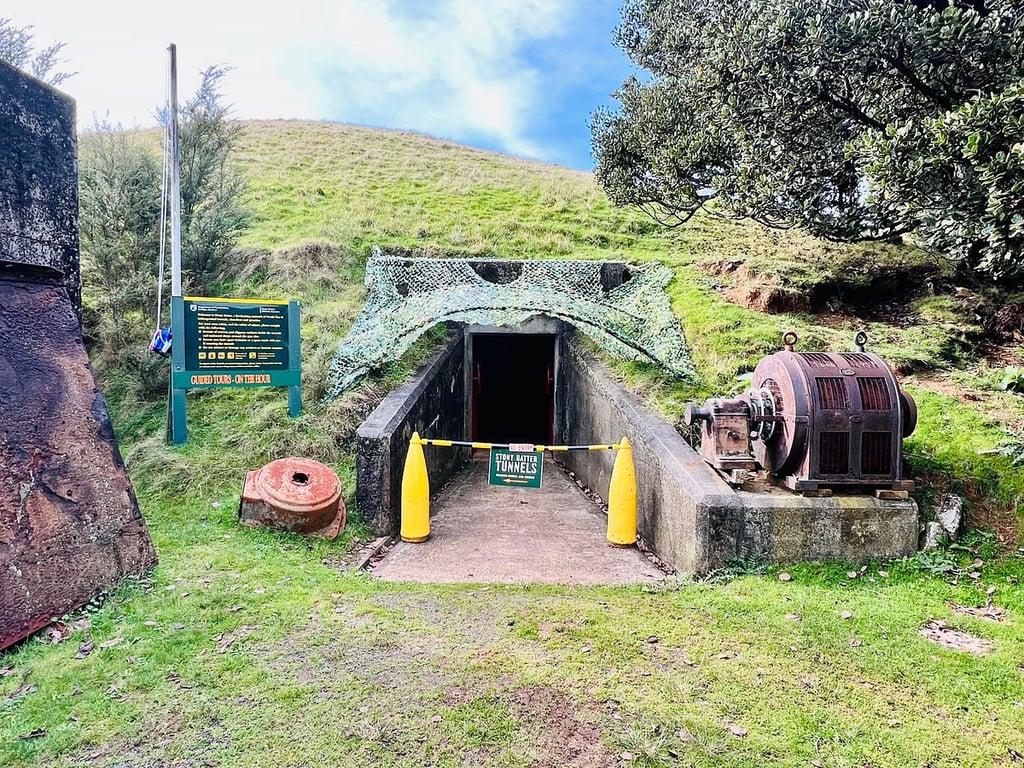
From early Maori settlements dating back to the 14th century to European arrivals in the 1700s, the island has a storied past. Historical landmarks like the Stony Batter Historic Reserve and the Waiheke Museum offer glimpses into this rich heritage.
Explore Waiheke’s Historical Sites and Landmarks
Waiheke Island, nestled in the Hauraki Gulf, boasts a rich and diverse history, shaped by centuries of human settlement and natural beauty. The island’s story begins with the arrival of Māori, the indigenous people of Aotearoa New Zealand, who have inhabited Waiheke for over a thousand years. Known to early Māori as Te Motu-arai-roa, meaning “the long sheltering island,” Waiheke played a strategic role as both a defensive position and a plentiful source of resources. Its fertile lands, abundant fishing spots, and sheltered bays made it an ideal location for the early Māori, whose connection to the land remains strong today.
In the 19th century, European settlers began arriving, attracted by the island’s promise of fertile farming land and its proximity to Auckland. This period saw significant land development, with farming, timber milling, and fishing industries flourishing. The late 1800s also brought the first wave of tourism as Aucklanders began to see Waiheke as an escape from the growing city, a tranquil retreat for holidays and leisure.
The 20th century ushered in an era of change for the island. During World War II, defensive installations were established along the coastline, remnants of which can still be explored today. In the post-war years, Waiheke saw a shift from agricultural production to a focus on lifestyle and recreation. By the 1970s and 80s, the island had become a haven for artists, creatives, and alternative communities, many of whom sought refuge from the increasing urbanization of Auckland.
Waiheke’s modern history is defined by its emergence as a world-renowned destination for wine lovers and tourists seeking a blend of culture, nature, and gastronomy. The island’s unique microclimate, with long, hot summers and mild winters, has led to the cultivation of award-winning vineyards, earning it the nickname “The Island of Wine.” Today, Waiheke Island continues to be a thriving community, balancing its rich cultural heritage with its reputation as a premier tourist destination. Visitors come not only for its stunning beaches and vineyards but also for the warm hospitality of its residents and the island’s vibrant arts scene.
From its early days as a haven for Māori settlers to its current status as a global travel destination, Waiheke Island’s history is a testament to resilience, diversity, and the enduring allure of its natural beauty.
Cultural Immersion
Immerse yourself in Maori culture with a visit to local communities where you can learn about traditional carving, tattooing, and language revitalization. The impact of colonization is evident in archaeological remains and stories that make the island’s history come alive
Geography and Natural Beauty
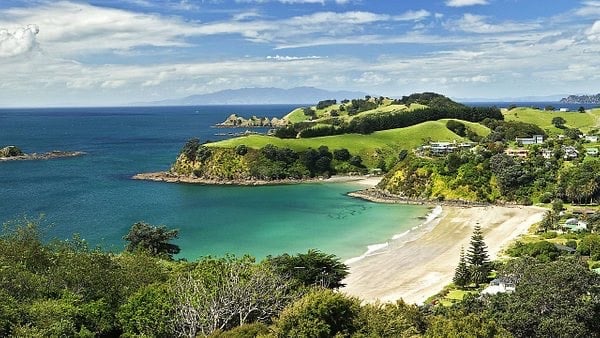
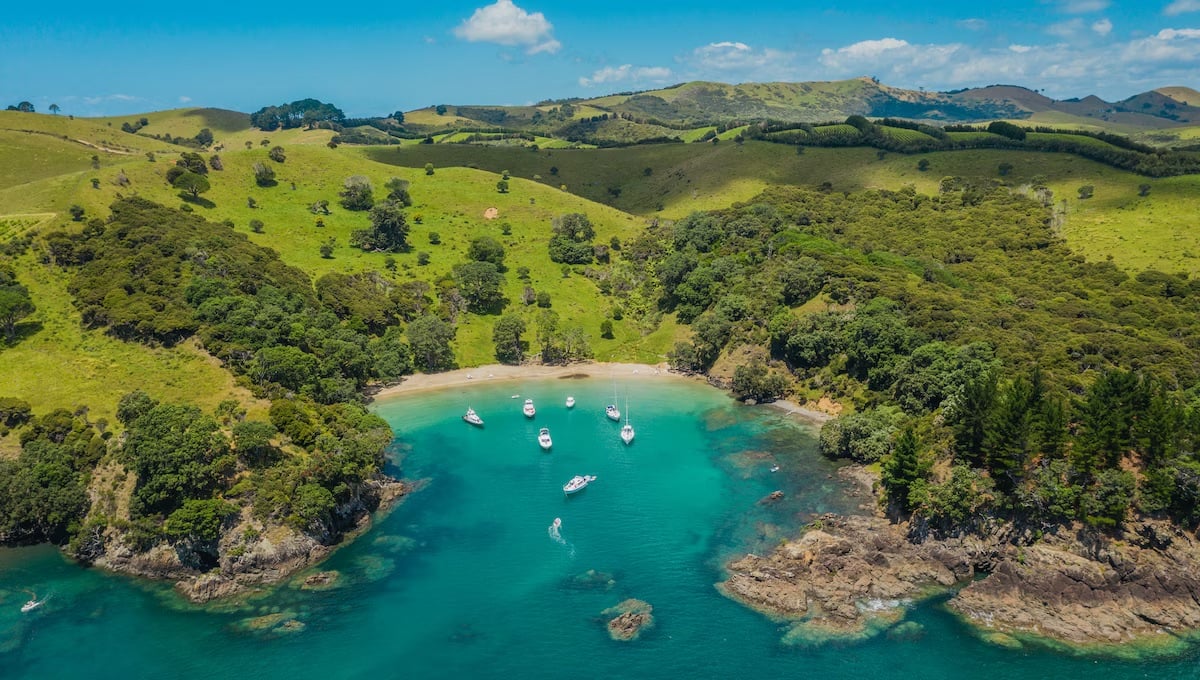
Waiheke Island covers approximately 92 square kilometers, making it the second-largest island in the Hauraki Gulf. The island’s landscape is a mix of rolling hills, lush forests, and stunning coastlines, with over 40 kilometers of beaches. Visitors are drawn to its beautiful sandy shores, such as the popular Onetangi Beach, which stretches for nearly 2 kilometers, and the more secluded bays like Palm Beach and Oneroa Beach.
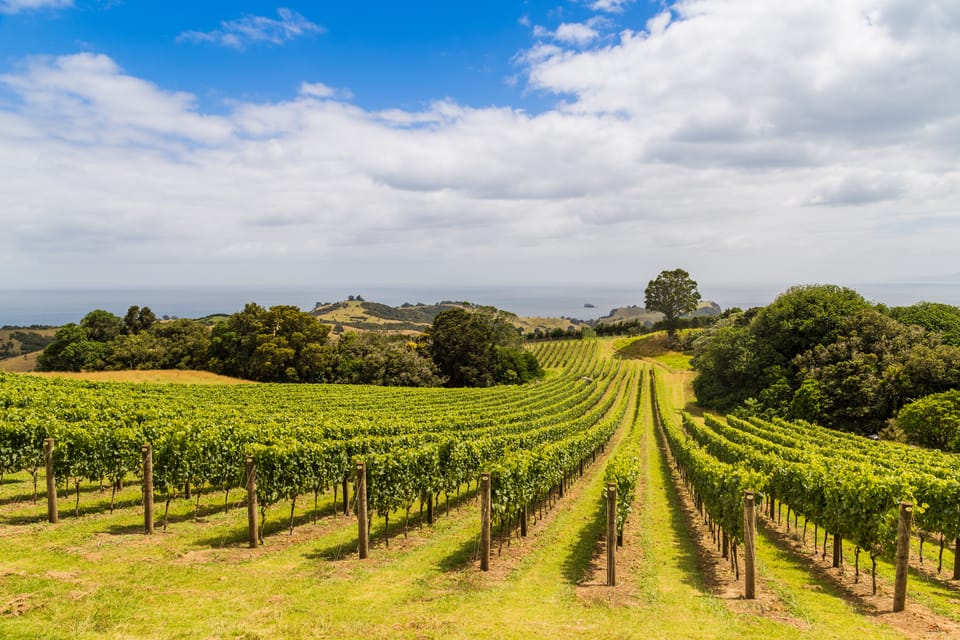
The island’s interior is dotted with olive groves, vineyards, and pastures, giving Waiheke its Mediterranean feel. Waiheke also boasts several walking tracks, offering breathtaking views over the gulf, with trails winding through native bush, along cliffs, and through the island’s hills and vineyards.
Waiheke Vineyards and Gastronomy Experiences
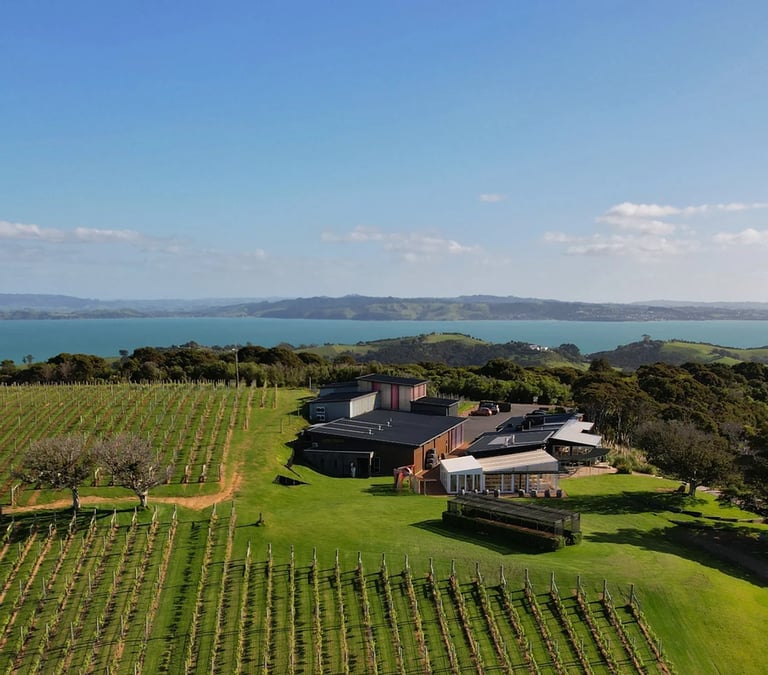
One of the most distinctive features of Waiheke Island is its thriving wine industry. Often referred to as “The Island of Wine,” Waiheke Island History and Culture is renowned for its boutique vineyards that produce premium wines, especially bold reds like Syrah, Cabernet Sauvignon, and Merlot blends. The island’s warm, dry climate and rich soils create perfect conditions for growing grapes, and many of its vineyards have gained international recognition.
Waiheke’s wine culture is accompanied by a vibrant food scene. Numerous winery restaurants offer fine dining experiences with locally sourced ingredients, often paired with wines produced on-site. Visitors can enjoy gourmet meals while overlooking the stunning vineyards and coastline. Waiheke also hosts local food markets, cafes, and eateries, making it a gastronomic destination.
Arts and Culture
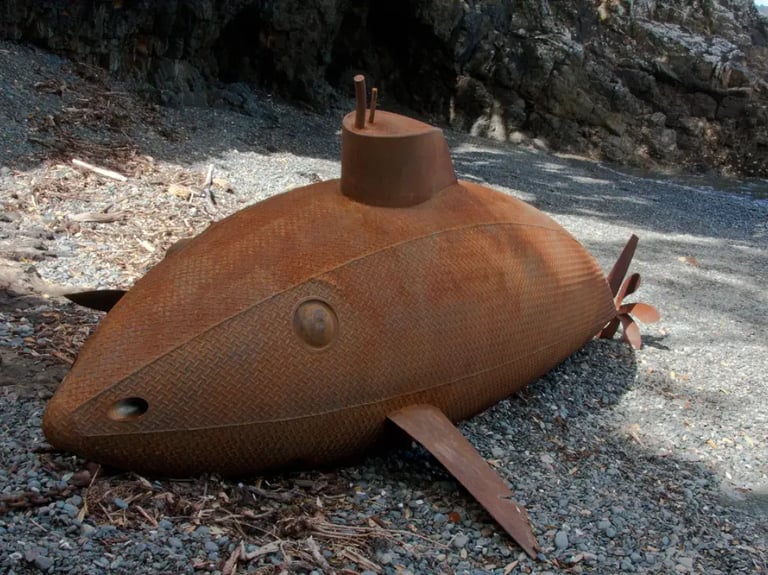
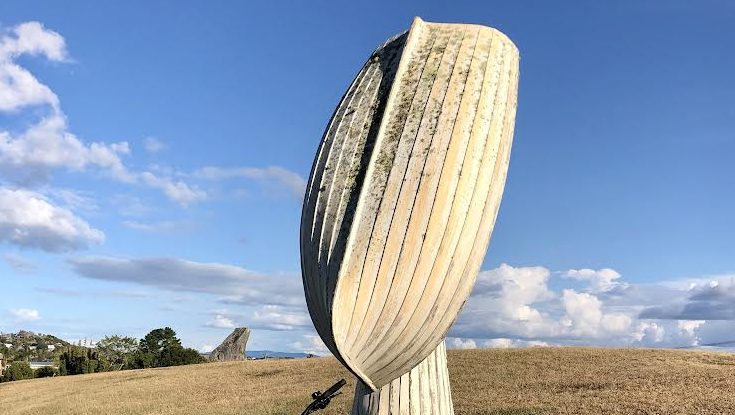
Waiheke has long been a refuge for artists, writers, and creatives. The island’s relaxed pace and inspiring natural beauty have attracted a strong artistic community. Throughout the island, visitors will find numerous art galleries, studios, and outdoor sculptures. One of the island’s most famous cultural events is the Waiheke Sculpture on the Gulf exhibition, held biennially, where artists install large-scale sculptures along a coastal walk.
The island’s arts scene is complemented by festivals, live music, and performances, reflecting a lively and creative community that celebrates both local and international talent.
Outdoor Activities
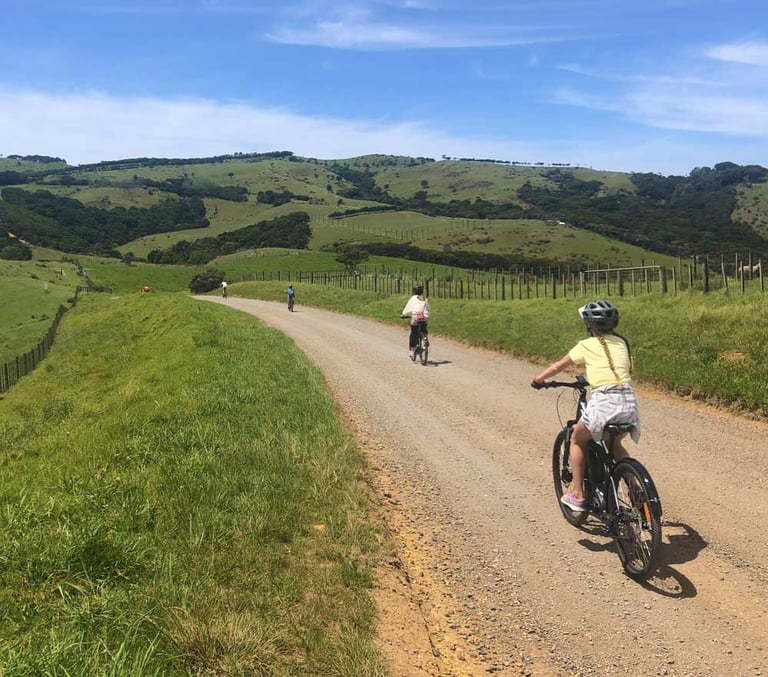
For outdoor enthusiasts, Waiheke offers a variety of activities. In addition to its renowned vineyards and beaches, the island is ideal for hiking, kayaking, paddleboarding, and cycling. Several nature reserves provide opportunities for bird watching and exploring native wildlife. Zip-lining and e-bike tours offer unique ways to experience the island’s landscapes, while sailing and fishing are popular among those wanting to explore the surrounding waters.
Getting to and Around Waiheke
Waiheke Island is easily accessible from Auckland via a short ferry ride. Once on the island, visitors can explore using a range of transport options, including rental cars, e-bikes, scooters, or the island’s public bus service. Many opt for vineyard tours, which often provide transport between different wineries, allowing visitors to enjoy tastings without the worry of driving.
A Haven for Relaxation and Luxury
In recent years, Waiheke has become a destination for luxury getaways. Upscale lodges, private villas, and boutique hotels offer high-end accommodation with panoramic views of the island’s natural beauty. Waiheke’s combination of fine wines, gourmet food, serene beaches, and vibrant culture makes it a perfect escape for those looking to relax and unwind in a peaceful yet sophisticated setting.
Waiheke’s Allure
Whether you’re drawn to its vineyards, Waiheke Island History and Culture, its beaches, its art, or its natural beauty, Waiheke Island is a place that offers something for everyone. The island’s charm lies in its seamless blend of tranquility and sophistication, providing both adventure and relaxation. With its close proximity to Auckland, Waiheke is a must-visit destination for those wanting to experience a slice of New Zealand paradise.